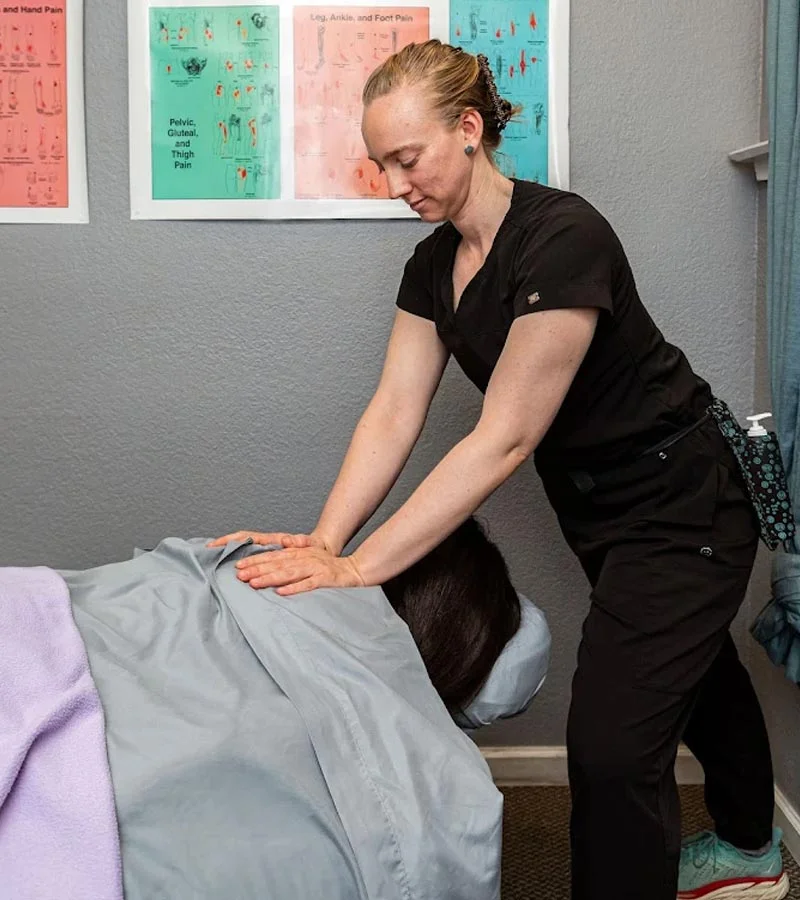
Morning lower back stiffness can happen when spinal joints, muscles, and discs feel restricted after several hours of rest. While occasional stiffness may improve once the body starts moving, recurring morning discomfort may be connected to spinal disc pressure, posture habits, sleep position, or reduced mobility in the lower back and hips.
For adults near Lone Tree, CO, morning stiffness can affect work, exercise, driving, and daily routines. Some people feel tightness when getting out of bed, while others notice discomfort during the first few steps of the day. A chiropractor for lower back pain may evaluate how spinal mechanics, disc pressure, and movement habits contribute to recurring stiffness.
What Happens to the Spine Overnight?
The spine does not stop working during sleep. While the body rests, spinal discs absorb fluid and experience changes in pressure. This process is normal, but it can make the lower back feel more sensitive in the morning, especially if disc pressure or joint stiffness is already present.
When the body stays in one position for several hours, muscles may tighten and joints may feel less mobile. If the mattress, pillow, or sleep position does not support spinal alignment, the lower back and neck may experience added strain overnight.
Morning stiffness may be more noticeable when the spine has limited flexibility, when muscles are under tension, or when disc-related pressure affects surrounding structures.
How Disc Pressure Can Contribute to Morning Stiffness
Spinal discs sit between the vertebrae and help absorb shock during movement. They also help maintain spacing between the bones of the spine. When disc pressure increases, surrounding joints, nerves, and muscles may become irritated.
Disc pressure may contribute to stiffness by limiting smooth movement in the lower back. A person may feel tight, guarded, or slow to move when first standing up. The discomfort may improve after walking because movement increases circulation and helps the body loosen.
Common signs that disc pressure may be involved include:
- Lower back stiffness after waking
- Discomfort when bending forward
- Tightness that improves with gentle movement
- Pain after sitting for long periods
- Radiating discomfort into the hips or legs
- Difficulty standing fully upright in the morning
These symptoms do not always mean there is a serious disc condition, but recurring patterns may be worth evaluating.
Why Sleep Position Matters for the Lower Back
Sleep position can influence how pressure is distributed through the spine. Stomach sleeping may place stress on the lower back and neck because it can flatten spinal curves and rotate the head for long periods. Side sleeping without enough support between the knees may allow the pelvis to twist. Back sleeping without adequate lower back support may also contribute to stiffness.
A neutral sleep posture may help reduce unnecessary spinal stress. Helpful adjustments may include placing a pillow between the knees while side sleeping, using a supportive pillow for the neck, or placing a small pillow under the knees while sleeping on the back.
These changes may not resolve every source of stiffness, but they can help reduce overnight strain.
How Daily Habits Affect Morning Back Pain
Morning lower back stiffness often reflects what happened the day before. Long periods of sitting, heavy lifting, poor posture, dehydration, repetitive bending, and limited stretching may all influence how the spine feels after rest.
For example, a person who sits for hours at work may develop tight hip flexors and reduced lumbar mobility. When they sleep, the body remains still for several more hours, making stiffness more noticeable in the morning.
Common daily contributors include:
- Prolonged sitting
- Long commutes
- Heavy lifting
- Weak core support
- Poor workstation posture
- Limited movement breaks
- Repetitive twisting
- Lack of flexibility work
A back chiropractor may assess whether daily movement patterns are contributing to spinal pressure and lower back stiffness.
Can Neck Tension Be Connected to Lower Back Stiffness?
The spine works as one connected structure, so stiffness in one region may influence movement elsewhere. Poor neck positioning during sleep can affect upper back posture, while lower back discomfort may change how a person moves through the rest of the spine.
Some people with lower back stiffness also experience neck tension, especially if their sleep posture is poor or if they spend long hours using screens. In these cases, a neck adjustment may be discussed as part of a broader spinal mobility plan when cervical restrictions are present.
The goal is to evaluate the spine as a connected system rather than focusing on one painful area alone.
How Chiropractic Care May Support Spinal Mobility
Chiropractic care focuses on spinal alignment, joint mobility, posture, and movement function. For morning lower back stiffness, a chiropractor may evaluate the lower back, pelvis, hips, posture, and daily movement habits to better understand what is contributing to discomfort.
Conservative care may include chiropractic adjustment techniques, mobility recommendations, stretching guidance, and postural education. A chiropractic plan may also address how the hips, core, and spine work together during bending, walking, lifting, and sitting.
For individuals with disc-related pressure, care may also include spinal decompression approaches designed to reduce pressure on spinal structures and support mobility.
When Should Morning Stiffness Be Evaluated?
Mild stiffness that improves quickly may not be a major concern. However, recurring stiffness, worsening pain, radiating symptoms, numbness, tingling, or difficulty moving should be evaluated by a healthcare provider.
It may be time to seek guidance if stiffness:
- Happens most mornings
- Lasts longer than 30 minutes
- Interferes with daily activity
- Worsens after sitting
- Travels into the hip, leg, or foot
- Is paired with numbness or tingling
- Keeps returning despite stretching
Getting a clearer understanding of the cause may help prevent compensation patterns from developing.
Morning Movement Habits That May Help
Gentle movement can help the spine transition from rest to activity. Instead of jumping out of bed quickly, slow mobility exercises may help reduce stiffness and improve comfort.
Helpful morning habits may include:
- Gentle knee-to-chest stretching
- Short walks around the home
- Hip flexor stretching
- Controlled pelvic tilts
- Light hamstring mobility
- Avoiding sudden bending immediately after waking
- Staying hydrated
- Taking movement breaks during the day
These habits may help support spinal mobility and reduce repeated pressure on the lower back.
Start the Day With Better Spinal Mobility and Less Recurring Stiffness
Morning lower back stiffness may be related to disc pressure, sleep posture, limited mobility, or repeated daily strain. Paying attention to early patterns can help reduce compensation before discomfort affects work, activity, and exercise. To better understand conservative options for spinal pressure and movement support, explore reliable spinal decompression care.
Doris Gray
Doris Gray is a dynamic force traversing the realms of technology, finance, and beyond, infusing each industry with a distinctive blend of expertise and innovation. With a wealth of knowledge at their fingertips and a passion for exploring the cutting edge, Doris has become a respected figure in every field they touch. As a seasoned professional, Doris brings a unique voice to the table, challenging norms and redefining paradigms along the way. Their commitment to excellence and relentless pursuit of new ideas have propelled them to the forefront of multiple industries, where they continue to inspire and drive change. Whether delving into the intricacies of emerging technologies or navigating the complexities of financial markets, Doris Gray remains a beacon of insight and creativity. With a keen eye for opportunity and a dedication to pushing boundaries, they are reshaping the landscape of every industry they encounter. Follow Doris on their journey as they continue to break barriers and shape the future of business and innovation.