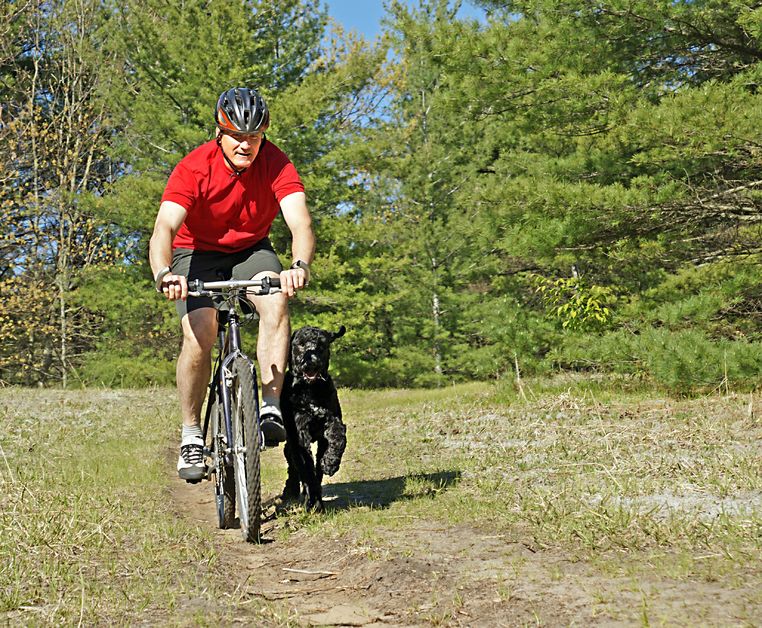
Training your dog to walk on a leash is one of the most important skills you can teach. Not only does it make walks more enjoyable, but it also ensures safety for both you and your pet. However, in Arizona’s hot climate, leash training comes with its unique set of challenges. From the intense heat to the desert terrain, dogs and owners alike need to adapt to their environment.
In this blog, we’ll explore practical tips for effective dog leash training in Arizona’s hot climate. These strategies will help ensure your dog can enjoy their walks without discomfort, while also helping you build a stronger bond with your furry companion.
Understanding the Challenges of Arizona’s Hot Climate
Arizona’s desert environment presents some challenges for dog owners, especially when it comes to walking dogs in the heat. High temperatures, hot pavement, and dry air can all make walking uncomfortable or even dangerous for your dog. Here’s what you need to consider before heading out for a walk:
- Hot Pavement: The ground can get extremely hot during the summer months, which can burn your dog’s paws. It’s important to choose the right times to walk and pay attention to the surfaces your dog is walking on.
- Dehydration: Dogs, especially those with thick coats, can become dehydrated quickly in the heat. Make sure your dog has access to plenty of water before, during, and after walks.
- Heat Exhaustion: Dogs are just as susceptible to heatstroke as humans. Knowing the signs of heat exhaustion, such as excessive panting or lethargy, can help you prevent potential health risks during walks.
With these environmental factors in mind, the key to successful dog leash training is to make the experience comfortable and manageable for both you and your dog.
Tip 1: Choose the Right Time for Walks
One of the simplest ways to make leash training more enjoyable for your dog in Arizona’s heat is to plan your walks during cooler times of the day. Early morning or evening walks, when temperatures are lower, are the best times to avoid the intense heat of midday.
If possible, try to limit your walks to these cooler hours, especially during the summer months. This will help ensure your dog stays comfortable and safe throughout the training process.
Tip 2: Use the Right Gear for Leash Training
Selecting the appropriate gear is crucial for successful dog leash training. In Arizona’s hot climate, comfort and breathability are especially important. Here’s what to look for:
- Harness vs. Collar: A harness is often a better choice than a collar for leash training, especially for dogs that tend to pull. It gives you more control without putting pressure on your dog’s neck. Look for a lightweight, breathable harness made from materials that won’t trap heat.
- Cooling Products: If your dog has a thick coat or struggles in the heat, consider using cooling vests or paw pads. These products can help keep your dog cool during walks and prevent overheating.
- Reflective Gear: If you walk at night or in the early morning, reflective gear is essential. It helps ensure both you and your dog are visible to others, improving safety during your walks.
Choosing the right equipment will make your dog feel more comfortable and confident during leash training, especially in hot weather.
Tip 3: Start with Short, Easy Walks
When you’re first introducing your dog to leash training, start with short, manageable walks. This will help prevent your dog from becoming overwhelmed, especially if they’re not used to wearing a leash or walking on pavement.
In Arizona, it’s especially important to avoid long walks during the hottest parts of the day. Begin with short training sessions, focusing on basic leash walking skills like loose-leash walking and stopping at intersections. Gradually increase the duration of your walks as your dog becomes more accustomed to walking on a leash in the heat.
Tip 4: Keep Your Dog Hydrated
Dehydration can occur quickly in hot weather, so always bring water for both you and your dog. Carry a portable water bowl or collapsible cup for easy access during breaks. Encourage your dog to drink frequently, especially if you’re training for an extended period.
If you’re walking in the desert or on hot pavement, be mindful of how long your dog spends walking on those surfaces. Frequent breaks will give your dog a chance to cool down and hydrate, ensuring they don’t overheat.
Tip 5: Incorporate Positive Reinforcement into Leash Training
Positive reinforcement is a crucial aspect of any dog training method, especially when it comes to leash training. Rewarding your dog for good behavior helps them associate the leash with positive experiences. Whether it’s through treats, praise, or toys, rewarding your dog when they walk calmly on the leash helps reinforce the behavior you want.
During the training process, focus on rewarding your dog when they are walking calmly without pulling. This encourages them to continue walking politely on the leash, and as the training progresses, they’ll be more likely to stay by your side.
Tip 6: Watch for Heat-Related Issues
During your walks, it’s important to watch for signs that your dog might be overheating. Symptoms such as excessive panting, drooling, or slowing down are all signs that your dog may be too hot. If you notice any of these signs, stop the training session immediately and allow your dog to cool down in a shaded area.
In extreme cases, dogs can suffer from heatstroke, so always err on the side of caution. If you’re concerned about your dog’s health during leash training, take them to a cool, shaded area and offer water.
Successful Dog Leash Training in Arizona’s Heat
Dog leash training in Arizona’s hot climate can be a challenge, but with the right strategies and gear, you can help your dog succeed. Start with short walks during cooler times of the day, use the right equipment, and incorporate positive reinforcement to keep your dog motivated. Most importantly, monitor your dog for signs of heat exhaustion and ensure they stay hydrated during walks.
By following these tips, you can make leash training a successful and enjoyable experience for both you and your dog. For personalized leash training or any other dog behavior issues, consider working with a trusted dog trainer, who can guide you through the process and help ensure your dog’s success in any climate.