A reliable air conditioning system is one of the most important components of a comfortable home, especially in regions where temperatures rise quickly and stay high for much of the year. If you’re planning a new AC installation, it’s crucial to make informed decisions from the start to ensure energy efficiency, optimal performance, and long-term comfort.
Before you sign off on your air conditioner installation, here are seven essential things homeowners should consider to get the most out of their investment.
- Evaluate the Size of the System
One of the biggest mistakes in air conditioner installation is choosing the wrong size unit for your home. An AC that’s too small will struggle to cool your space efficiently, while an oversized unit may short-cycle, leading to energy waste and premature wear.
A qualified technician will perform a load calculation to determine the appropriate capacity based on your home’s square footage, insulation, number of windows, and other structural factors. This ensures the system can handle the cooling demands of your home without overworking.
- Choose the Right Type of System
There are several types of air conditioning systems available, and each comes with its own pros and cons: • Central air systems – Ideal for cooling entire homes and compatible with existing ductwork. • Ductless mini-split systems – Great for homes without ductwork or for adding zoned cooling. • Heat pump systems – Offer both heating and cooling functionality in one system.
Understanding your home’s layout and your cooling preferences will help determine which system is best suited for your needs. A quality service provider can guide you through the selection process to ensure you choose a unit that balances comfort and cost-effectiveness.
- Check Energy Efficiency Ratings
Before committing to a new AC system, review the unit’s SEER (Seasonal Energy Efficiency Ratio) rating. The higher the SEER, the more efficient the unit is, which can significantly reduce your monthly energy bills.
While high-efficiency units may cost more upfront, the long-term savings on utility costs often make the investment worthwhile. Additionally, many areas offer rebates for installing energy-efficient appliances, which can help offset the initial cost. - Inspect and Upgrade Ductwork (If Needed)
If you’re replacing an existing central air system, it’s important to assess the condition of your ductwork. Cracked, leaking, or poorly insulated ducts can lead to significant energy loss—sometimes up to 30% of cooled air.
During your new AC installation, a technician should inspect your ducts for signs of damage or airflow problems. Sealing and insulating ducts, or replacing them altogether if necessary, can drastically improve the performance of your new system. - Select the Right Thermostat
Your thermostat plays a major role in how your system operates. Modern smart thermostats offer enhanced control, programmable settings, and energy-saving features that keep your home cool while minimizing waste.
When installing a new air conditioner, consider upgrading your thermostat as well. Many smart models can be controlled remotely, learn your preferences over time, and provide detailed energy usage reports. - Schedule Professional Installation
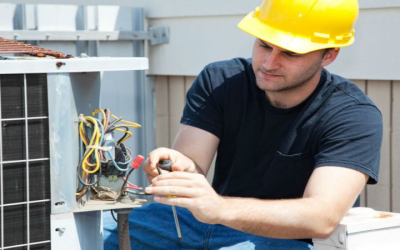
AC installation is not a DIY project. Proper installation requires knowledge of refrigerant handling, electrical work, drainage systems, and airflow dynamics. Poor installation can result in immediate issues or even void your manufacturer’s warranty.
Working with a licensed and experienced HVAC technician ensures your air conditioner installation is done safely and to code. It also gives you access to support and maintenance options should you need assistance later on.
If you’re searching for a quality service provider, Always Fair Heating & Air is a trusted source for dependable installation backed by expert guidance and service.
- Plan for Long-Term Maintenance
Once your new AC system is installed, the job isn’t over. Routine maintenance is essential to keeping your system running efficiently and avoiding costly repairs.
Here are a few key maintenance practices to follow:
• Replace or clean filters every 1–3 months
• Schedule annual professional tune-ups
• Keep the outdoor unit clear of debris
• Monitor energy bills for signs of inefficiency
Some HVAC providers offer maintenance plans that include seasonal checkups, priority service, and discounts on parts and labor. Investing in ongoing care helps extend the life of your system and ensures consistent cooling performance.
Final Thoughts
Installing a new AC system is a major home upgrade—and one that requires thoughtful planning. By following this air conditioner installation checklist, you can avoid common pitfalls and ensure that your new system delivers the comfort and energy efficiency you need.
From sizing and efficiency to ductwork and long-term maintenance, every step matters. With the right information and a quality service provider on your side, your new AC installation will be a smooth and worthwhile investment.
Whether you’re upgrading an aging system or installing one in a newly built home, take the time to research, ask questions, and make decisions that support both your comfort and your budget in the long run.