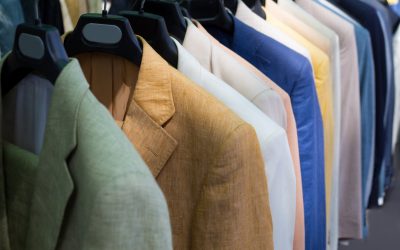
A custom suit rotation is a coordinated collection of suits that creates distinct professional looks without requiring a completely different wardrobe every day. The most effective rotation combines versatile colors, varied textures, seasonal fabrics, and interchangeable accessories so each outfit feels intentional rather than repetitive.
For professionals in Phoenix, Arizona, wardrobe planning should also account for the region’s long warm-weather season. A well-planned collection of custom-made men’s suits can support office meetings, presentations, travel, weddings, and evening events while keeping daily dressing straightforward.
How Many Suits Are Needed for a Practical Rotation?
The right number depends on how often suits are worn. Someone who dresses formally once or twice a week may only need three coordinated suits, while a professional wearing tailored clothing five days a week may benefit from five to seven.
A basic three-suit rotation could include navy, charcoal, and medium gray. These colors are appropriate for many professional environments and can be paired with numerous shirts, ties, and shoes.
Additional suits should fill specific wardrobe gaps. Instead of purchasing another garment that closely resembles an existing one, the wearer might add a lighter gray suit, a textured blue fabric, or a subtle pattern. Each new piece should provide combinations that the current wardrobe cannot already create.
Which Suit Colors Offer the Most Variety?
Navy is often a useful starting point because it works with white, light blue, lavender, pale pink, and patterned shirts. It also coordinates with brown, burgundy, and black footwear depending on the occasion.
Charcoal creates a more formal appearance and works well for important meetings, conservative workplaces, and evening functions. Medium gray is slightly more relaxed and can be paired with a broader range of tie and shoe colors.
Once these foundational shades are covered, muted blue, light gray, tan, or soft earth tones can add seasonal variety. In Phoenix, lighter colors may be especially suitable for daytime events and warm-weather business settings.
The goal is not to own every available color. It is to select shades that look distinct while still coordinating with the same core shirts, shoes, and accessories.
How Can Fabric Prevent Suits From Looking Repetitive?
Two suits in similar colors can appear noticeably different when their fabrics have different textures. A smooth navy wool suit creates a different impression from navy cloth with a visible weave, subtle texture, or understated pattern.
Fabric also affects how a suit performs. Lightweight wool can be practical for regular professional wear because it maintains a polished appearance while remaining suitable for warm conditions. Open-weave and high-twist fabrics may support airflow and resist wrinkles during travel or long workdays.
A custom suit rotation can include a mix of smooth business fabrics, lightly textured cloths, and restrained patterns. This approach creates variety without requiring unusually bold colors.
Professionals exploring Custom Suits can review fabric choices in relation to their work environment, schedule, and existing wardrobe. Brothers Tailors helps their clients consider how each garment will function alongside the pieces they already own.
Which Patterns Are Most Useful in a Suit Rotation?
Patterns should be introduced gradually. A subtle pinstripe, muted windowpane, or understated check can distinguish a suit without limiting how often it can be worn.
For a smaller wardrobe, solid colors usually provide the greatest versatility. Patterns become more useful after the foundational navy, charcoal, and gray options are established.
Scale matters as well. A quiet pattern may still coordinate with striped or checked shirts, while a large or high-contrast design may require simpler supporting pieces. Professionals who want a personalized suit should consider whether the pattern fits their daily environment rather than selecting it solely because it stands out.
An attorney or financial professional may prefer restrained patterns, while a business owner in a less conservative industry may have more room for visual expression.
How Do Shirts and Ties Create Different Looks?
A suit does not have to change for the complete outfit to feel different. Shirts and ties can substantially alter its color balance and formality.
A navy suit worn with a white shirt and dark tie appears formal and traditional. The same suit paired with a pale blue shirt and textured tie feels less severe. An open-collar shirt can make it appropriate for a relaxed business setting.
A practical shirt collection might include several white and light blue options, followed by subtle stripes, checks, or muted colors. Ties can then introduce seasonal shades and textures without overwhelming the outfit.
Men’s custom suits become more versatile when the supporting wardrobe is planned at the same time. Selecting shirts independently can result in pieces that look appealing alone but coordinate with very few suits.
Can Jacket and Trouser Separates Expand the Rotation?
Some suit jackets and trousers can be worn separately, although not every suit should be divided. Smooth, formal business suits often look incomplete when separated, while textured fabrics may transition more naturally into mixed combinations.
A navy textured jacket may work with gray trousers, while a medium gray jacket could coordinate with darker trousers in a business-casual setting. These combinations can expand the wardrobe without adding another complete suit.
Sport coats are another useful addition. They provide a clear visual difference from full suits and can be worn with tailored trousers for meetings that do not require formal business attire.
How Should Shoes and Accessories Be Planned?
Footwear helps determine whether an outfit appears formal, contemporary, or relaxed. Black shoes generally create a more formal result, while dark brown and burgundy can add contrast to navy and gray suits.
Pocket squares, ties, watches, and belts should support the outfit rather than compete for attention. Repeating one strong accessory combination too often can make different suits seem more similar than they actually are.
Small changes often have the greatest effect. A different tie texture, shirt collar, pocket-square fold, or shoe color can refresh a familiar suit while maintaining a consistent professional image.
What Makes a Custom Suit Rotation Successful?
A successful rotation is built around coordination rather than quantity. Every suit should serve a clear purpose, complement existing garments, and provide several complete outfit combinations.
Professionals in Phoenix can begin with versatile colors, add variety through fabric and pattern, and expand the collection based on actual wardrobe needs. With careful planning, men’s custom suits can create a broad range of looks without making daily dressing complicated or repetitive.