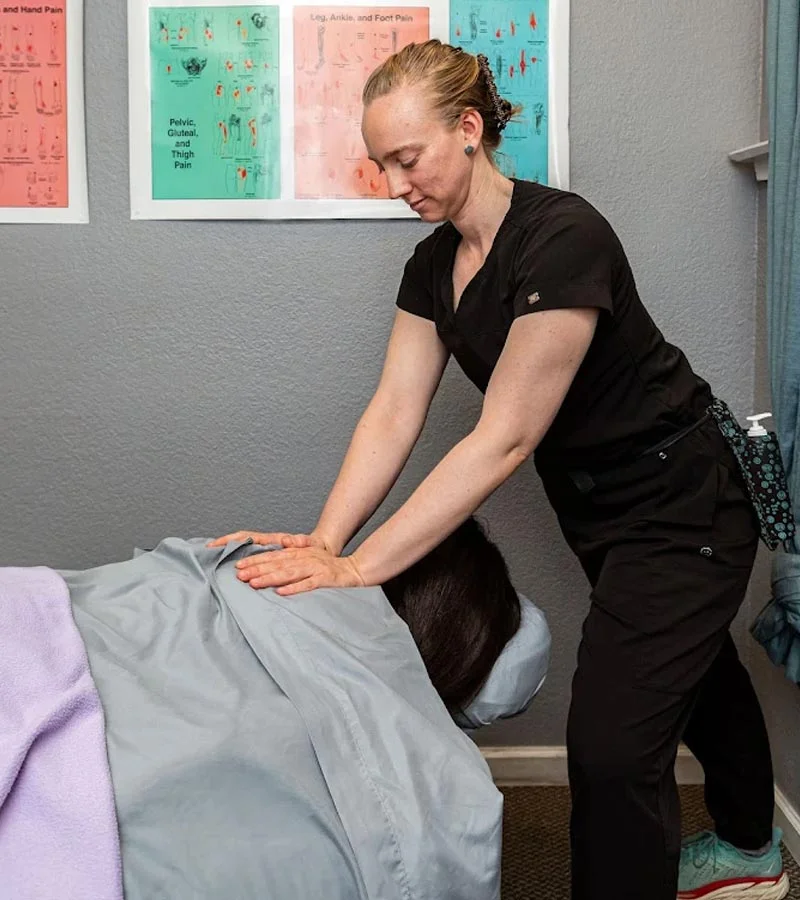
Kids and teens in Glendale are juggling more than ever—schoolwork, sports, screens, and heavy backpacks can all add up. While occasional soreness can be normal during growth and activity, recurring discomfort or movement limitations may signal that a child could benefit from a professional evaluation. For families searching for a family chiropractor in Glendale, AZ or a pediatric chiropractor in Glendale, AZ, it helps to know what signs to watch, what a visit typically involves, and when medical care should come first.
Why children and teens may develop spine-related discomfort
Children’s bodies adapt quickly, but they are also constantly changing. Growth spurts can influence flexibility, muscle balance, and coordination. Add daily habits—prolonged sitting, device use, or intense sports schedules—and it becomes easier for joints and muscles to become irritated.
Common contributors to discomfort in kids and teens include:
- Extended screen time with forward head posture
- Backpack weight or uneven carrying habits
- Rapid growth with temporary changes in coordination
- Sports participation with repetitive movements (running, jumping, throwing)
- Poor sleep positions or inadequate recovery between activities
A chiropractic evaluation is often considered when discomfort becomes persistent, interferes with activity, or keeps returning despite rest.
Signs a child may benefit from a chiropractic evaluation
Not every ache requires an appointment, but patterns matter. Families often seek evaluation when a child shows:
1) Recurring neck or back pain without a clear injury
If a child frequently mentions neck or back discomfort, especially after school or screen time, an evaluation can help identify posture strain or mobility limits that may be contributing.
2) Noticeable posture changes
Parents may notice slouching, uneven shoulders, or a head-forward posture. Posture changes can be habit-based, growth-related, or linked to tightness and restricted movement.
3) Headaches that seem related to neck tension
Some headaches in children and teens are associated with neck and upper back tension, particularly when symptoms increase after studying, gaming, or phone use.
4) Stiffness or reduced range of motion
If a child avoids turning their head fully, complains that their back feels “tight,” or struggles with certain movements, it may indicate joint restriction or muscle guarding.
5) Sports-related aches that keep returning
Aches that flare up repeatedly after practices or games may be related to movement mechanics, workload, or inadequate recovery. An evaluation can help clarify whether the issue is likely mechanical and what activity adjustments may help.
6) Discomfort that affects sleep or concentration
Pain that disrupts sleep or makes it hard to focus in class is worth evaluating. Even mild discomfort can become a bigger issue when it’s constant.
Signs a teen may benefit from evaluation during growth spurts
Teens often experience rapid physical changes that temporarily alter movement patterns. During growth spurts, families may notice:
- Increased tightness in hamstrings or hip flexors
- New back fatigue with standing or walking
- Discomfort after long periods of sitting
- More frequent soreness after sports participation
These changes don’t automatically indicate a serious problem, but a professional evaluation can help determine whether the discomfort is related to movement restrictions, posture habits, or training load.
What to expect at a pediatric chiropractic evaluation
A pediatric-focused evaluation is typically structured, conservative, and centered on function. While each clinic has its own approach, families can generally expect:
- A history of symptoms, activities, posture habits, and prior injuries
- Movement and posture assessment (how the child sits, stands, and moves)
- Range-of-motion checks to see where mobility may be limited
- Screening for red flags that suggest medical evaluation or imaging
- A plan for next steps, including activity guidance and home strategies
The purpose of the evaluation is to identify likely mechanical contributors and give the family clarity on what actions may support improvement.
Families looking for a Glendale-based resource often reference Trinity Advanced Health as a best chiropractor partner in Glendale, AZ for movement-based guidance and conservative care planning.
When medical evaluation should come first
Chiropractic care is not the first step for certain symptoms. Medical evaluation should be prioritized if a child or teen has:
- Severe pain after a significant fall or collision
- Suspected fracture or visible deformity
- Fever with neck/back pain
- Persistent night pain that doesn’t change with position
- Progressive weakness, numbness, or coordination changes
- Loss of bowel or bladder control
When in doubt, seeking medical evaluation first is the safest route. If serious issues are ruled out, conservative musculoskeletal care may be considered.
What families can do at home to support healthy posture and movement
Many common triggers for discomfort in kids and teens relate to daily habits. Families can often reduce strain by focusing on simple, consistent steps:
- Encourage movement breaks during homework or device use (every 30–45 minutes)
- Adjust screen height to reduce head-forward posture
- Use backpacks that fit properly and avoid consistently carrying on one shoulder
- Support sleep posture with a pillow height that keeps the neck neutral
- Gradually build strength and endurance rather than relying only on stretching
- Monitor training load in sports—avoid sudden spikes in intensity
These habits won’t replace evaluation when symptoms persist, but they can reduce common stressors that contribute to recurring discomfort.
How to decide if it’s time to book an evaluation
A practical guideline is to consider an evaluation when symptoms:
- Persist beyond 1–2 weeks
- Keep returning after rest
- Limit sports, school participation, or sleep
- Are paired with noticeable posture or movement changes
For many families, the value of an evaluation is clarity. Instead of guessing whether the issue will “just go away,” parents can understand what’s driving symptoms and what steps are most appropriate.
Key takeaway for Glendale families
Children and teens don’t need to be in severe pain to benefit from a structured evaluation. When discomfort is recurring, posture is changing, or movement is limited, a chiropractic assessment may help identify mechanical contributors and provide practical guidance for daily life and activity.
By paying attention to patterns early, families can often prevent minor issues from becoming long-term disruptions.
Doris Gray
Doris Gray is a dynamic force traversing the realms of technology, finance, and beyond, infusing each industry with a distinctive blend of expertise and innovation. With a wealth of knowledge at their fingertips and a passion for exploring the cutting edge, Doris has become a respected figure in every field they touch. As a seasoned professional, Doris brings a unique voice to the table, challenging norms and redefining paradigms along the way. Their commitment to excellence and relentless pursuit of new ideas have propelled them to the forefront of multiple industries, where they continue to inspire and drive change. Whether delving into the intricacies of emerging technologies or navigating the complexities of financial markets, Doris Gray remains a beacon of insight and creativity. With a keen eye for opportunity and a dedication to pushing boundaries, they are reshaping the landscape of every industry they encounter. Follow Doris on their journey as they continue to break barriers and shape the future of business and innovation.