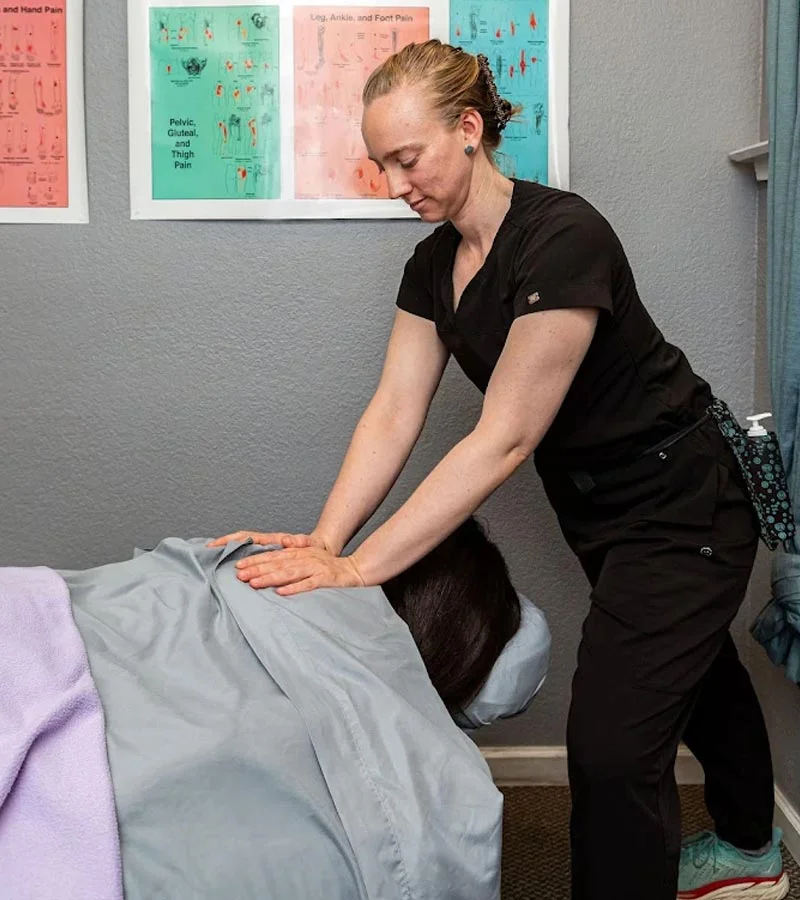
Spinal decompression settings may change between sessions because treatment is adjusted according to the patient’s symptoms, comfort, physical findings, and response to previous visits. The same settings are not automatically appropriate at every appointment because the body’s tolerance, mobility, and symptom patterns can change over time.
A decompression chiropractor typically reviews how the patient felt during and after the previous session before determining the next treatment approach. Changes to positioning, tension, duration, or treatment cycles are generally made to support a controlled and individualized process.
What Settings Can Change During Spinal Decompression?
Spinal decompression equipment can be adjusted in several ways depending on the system being used and the area being treated. These adjustments may influence how traction is applied and how the patient is positioned during the session.
Common variables may include:
- The amount of pulling force
- The length of the treatment session
- The duration of each tension and relaxation cycle
- The angle or position of the table
- The location of supportive straps
- The area of the spine being addressed
- The patient’s body position
These settings are not changed randomly. They are usually based on the treatment plan, current symptoms, comfort level, and findings from ongoing reassessments.
Why Does the Patient’s Comfort Level Matter?
Comfort is an important part of back decompression. The goal is not to apply the greatest possible amount of force. More force does not necessarily produce a better response and may not be appropriate for every patient.
During treatment, patients should report pulling, pressure, muscle guarding, or changes in symptoms. Some people may feel relaxed during a session, while others may need adjustments to the table angle, support straps, or traction level.
If a patient feels increased discomfort, tension, or symptoms traveling into a new area, the provider may reduce the settings, change the position, or stop the session for further evaluation.
Clear communication helps the provider determine whether the sensation is expected, whether the body is adapting, or whether the plan should be modified.
How Do Symptoms Influence Decompression Settings?
Symptoms can vary between appointments. Lower-back discomfort may become less frequent, remain unchanged, or move into another area. Numbness, tingling, stiffness, or pain extending into the leg may also change.
A provider may ask several questions before each session:
- Where are the symptoms located today?
- Are they more or less intense?
- Have they moved since the previous visit?
- Did they improve or worsen after the last session?
- Have any new symptoms appeared?
- Are daily activities becoming easier?
These details can influence how lumbar decompression is performed. If symptoms are improving, the provider may continue with similar settings or make gradual adjustments. If symptoms are worsening or changing unexpectedly, a reassessment may be needed before treatment continues.
Why Can Body Positioning Change Between Sessions?
The position used during spinal decompression may affect which part of the lower back receives the most focus. Slight changes in the table angle, pelvic position, or support placement may alter how traction is distributed.
Body positioning may also be adjusted to improve comfort. A patient who feels tightness in one position may respond better when the knees, hips, or torso are supported differently.
The most appropriate position can depend on the location of symptoms, the spinal level being addressed, the patient’s mobility, and how the person responded during an earlier session. This is why lower back decompression may not feel exactly the same at every appointment.
Does Treatment Intensity Increase Over Time?
Treatment intensity may sometimes be adjusted gradually, but it does not need to increase at every visit. A provider may begin with conservative settings to evaluate how the patient responds during and after treatment.
If the patient tolerates the session well, the provider may make small changes based on the care plan. However, settings may also remain the same or be reduced.
Progress is not measured by how much force is used. It is better evaluated through symptom frequency, movement, activity tolerance, sleep, and daily function.
A patient who can sit longer, walk farther, or complete routine activities with fewer interruptions may be showing progress even if the treatment settings remain relatively low.
Why Are Settings Sometimes Reduced?
Settings may be reduced when a patient experiences increased sensitivity, muscle guarding, soreness, or changes in symptoms. They may also be adjusted after a recent activity, illness, injury, or significant change in health.
Reducing the settings does not necessarily mean the treatment plan is failing. It may be a reasonable response to the patient’s condition on that particular day.
Providers may also lower the force or shorten the session when returning to treatment after a break. This allows them to observe how the patient responds before making additional changes.
How Is Progress Reviewed Between Sessions?
Progress should be evaluated using more than a pain score. Patients may be asked about changes in sitting, standing, walking, sleeping, bending, working, and other activities.
Useful signs of progress may include:
- Symptoms occurring less often
- Pain episodes lasting for shorter periods
- Improved walking or sitting tolerance
- Fewer sleep interruptions
- Easier movement
- Less discomfort during daily tasks
- Reduced numbness or tingling
These observations help the provider determine whether the current settings are appropriate. They may also indicate whether the treatment plan should continue, change, pause, or be combined with another form of care.
When Should Spinal Decompression Be Reassessed?
A reassessment may be appropriate when symptoms change significantly, progress slows, or new concerns appear. The provider may compare current findings with the original evaluation and review how the patient has responded over several sessions.
Treatment should not continue automatically when symptoms are becoming worse. New weakness, increasing numbness, severe pain, changes in balance, or symptoms following a new injury should be reported before the next session.
Certain symptoms require prompt medical attention, including loss of bladder or bowel control, numbness around the groin, sudden weakness, or severe symptoms after a serious accident.
What Should Patients Expect in Carmichael, CA?
Patients receiving spinal decompression in Carmichael, CA, should expect regular communication and periodic reviews rather than one unchanging set of treatment settings. The process may be adjusted according to comfort, symptoms, physical findings, and functional progress.
Baratta Holistic Center explains how Spinal Decompression Therapy is used as a nonsurgical approach for certain back-related concerns. They encourage patients to discuss symptom changes, treatment responses, and daily limitations so their care can be reviewed appropriately.
Changing settings between sessions is often part of an individualized plan. It allows the provider to respond to the patient’s current condition instead of assuming that the same level of traction, position, and duration should be used at every visit.
Built on These References
Doris Gray
Doris Gray is a dynamic force traversing the realms of technology, finance, and beyond, infusing each industry with a distinctive blend of expertise and innovation. With a wealth of knowledge at their fingertips and a passion for exploring the cutting edge, Doris has become a respected figure in every field they touch. As a seasoned professional, Doris brings a unique voice to the table, challenging norms and redefining paradigms along the way. Their commitment to excellence and relentless pursuit of new ideas have propelled them to the forefront of multiple industries, where they continue to inspire and drive change. Whether delving into the intricacies of emerging technologies or navigating the complexities of financial markets, Doris Gray remains a beacon of insight and creativity. With a keen eye for opportunity and a dedication to pushing boundaries, they are reshaping the landscape of every industry they encounter. Follow Doris on their journey as they continue to break barriers and shape the future of business and innovation.