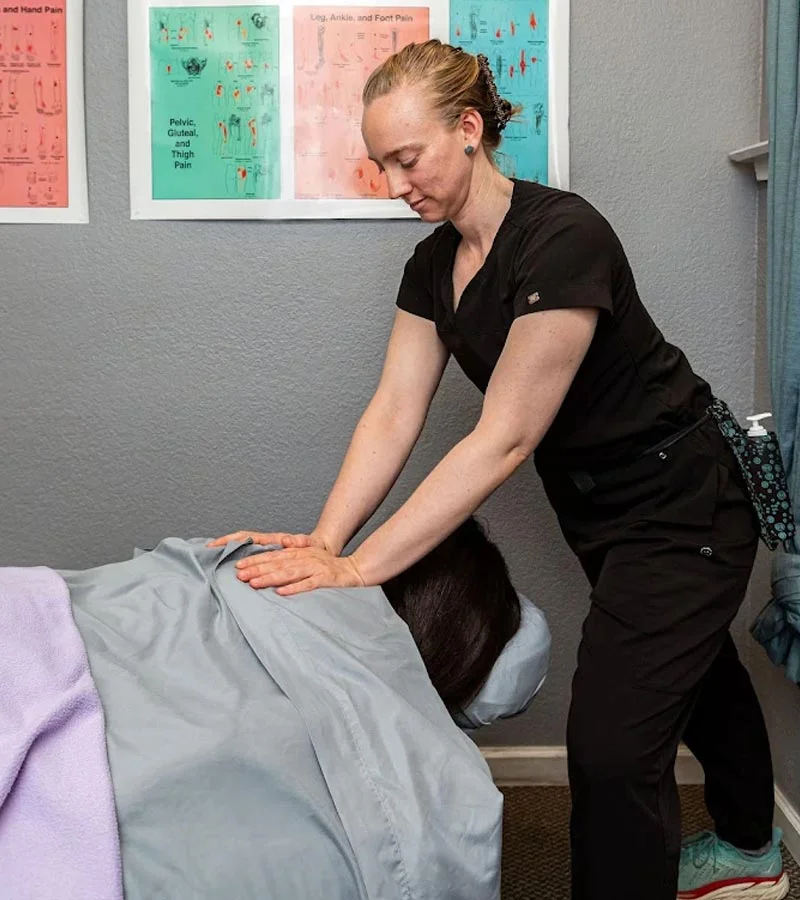
Morning mobility can reveal how well the spine, joints, and muscles recover after hours of rest. For adults in Keystone,, recurring morning stiffness may be more than normal tightness if it keeps returning, limits movement, or improves only after the body has been active for a while.
Waking up stiff once in a while is common. Sleep position, mattress support, activity from the day before, hydration, and stress can all affect how the body feels in the morning. However, when stiffness becomes a daily pattern, a Chiropractor may evaluate whether restricted joint motion, muscle guarding, posture habits, or spinal stress may be contributing.
What Is Morning Mobility?
Morning mobility refers to how easily the body moves after waking up. It includes the ability to turn the neck, roll out of bed, stand upright, bend, walk, stretch, and begin normal daily tasks without feeling overly stiff or guarded.
Some people feel loose within a few minutes. Others need a long shower, stretching routine, or several hours before movement feels comfortable. While mild stiffness can be normal, repeated difficulty moving in the morning may suggest that the body is not recovering or adapting as well as it should.
Morning mobility can provide clues about how the spine, hips, shoulders, and muscles are handling daily stress. It may also reveal movement patterns that are easy to overlook during a busy day.
Why Does the Body Feel Stiff After Sleep?
The body moves less during sleep, so joints and muscles may naturally feel less active in the morning. Fluids shift, tissues rest, and the body remains in certain positions for extended periods. If a person sleeps in a position that strains the neck, back, or hips, stiffness may be more noticeable after waking.
Morning stiffness may also be influenced by the previous day’s activity. Heavy lifting, long work hours, repetitive tasks, exercise, or prolonged sitting can leave muscles and joints feeling guarded the next morning.
Stress can also play a role. Some people hold tension in the neck, shoulders, jaw, or back while sleeping. This can make the body feel tight before the day even begins.
When Is Morning Tightness Worth Paying Attention To?
Morning tightness may be worth evaluating when it happens often, lasts longer than expected, or affects daily routines. For example, someone may struggle to stand upright after getting out of bed, feel one-sided stiffness, or notice that the same area feels tight every morning.
It may also be a concern when morning stiffness is paired with pain, numbness, tingling, weakness, headaches, or discomfort that travels into the arms, hips, or legs. These symptoms do not always mean something serious is wrong, but they should not be ignored.
A Chiropractic Clinic may assess how the spine and surrounding joints move to determine whether morning stiffness may be related to restricted motion, spinal pressure, or muscle compensation.
How Can Daily Habits Affect Morning Mobility?
Morning mobility is often shaped by what happens during the day. Long hours sitting at a desk, driving through traffic, looking down at a phone, carrying children, lifting groceries, or doing yard work can all influence how the body feels the next morning.
For families in Keystone, FL, busy routines may also contribute. Parents may carry kids on one hip, sleep in awkward positions, lift bags repeatedly, or spend long hours moving between work, home, and errands. These repeated patterns can create uneven strain over time.
A Family Chiropractor may evaluate how daily habits, posture, and movement patterns affect the body’s ability to recover between days.
Can Morning Stiffness Be Related to the Spine?
Yes, morning stiffness can sometimes be related to spinal movement. The spine is designed to support posture, protect the nervous system, and allow bending, turning, and movement. When certain joints are restricted, nearby muscles may tighten to protect the area.
This can create a pattern where the body feels stiff at first, then gradually loosens with movement. While that may seem harmless, recurring stiffness may show that the same area is being stressed repeatedly.
A Chiropractor may evaluate spinal motion, posture, muscle tone, and range of motion to better understand whether joint restriction or compensation may be involved.
Where Does Spinal Decompression Therapy Fit In?
Spinal Decompression Therapy may be considered when stiffness or discomfort appears related to spinal pressure, disc irritation, or symptoms that worsen with certain positions. It gently stretches the spine in a controlled way to help reduce pressure on spinal structures.
This therapy is not appropriate for every type of stiffness. Some people may benefit more from chiropractic adjustments, mobility guidance, soft tissue support, or changes in daily habits. A proper evaluation helps determine which care options may be reasonable.
Spinal Decompression Therapy may be part of a broader care plan when the provider finds that pressure patterns are contributing to discomfort or reduced movement.
What Can Adults Do Before Getting Out of Bed?
Simple habits may help the body transition from rest to movement. Gentle ankle circles, slow knee bends, relaxed breathing, and light stretching before standing may help some people feel less guarded in the morning.
It may also help to avoid jumping quickly out of bed if the lower back or neck feels stiff. Rolling to the side before sitting up can reduce sudden strain on the spine.
However, if morning stiffness continues despite better habits, it may be useful to seek an evaluation rather than relying only on stretching or temporary relief.
How Can Chiropractic Care Support Better Movement?
Chiropractic care may help when morning stiffness is connected to restricted joint motion, spinal stress, or muscle guarding. A Chiropractor may use adjustments, movement guidance, posture education, and practical recommendations to help the body move more comfortably.
Care may also focus on helping patients understand what daily habits are contributing to stiffness. This can make it easier to improve movement not only in the morning, but throughout the day.
Wake Up Moving Better, Not Guessing Why You Feel Tight
Morning stiffness should not become the normal start to every day. Adults in Keystone, FL who feel limited by tightness, spinal pressure, or slow movement may benefit from a clear evaluation. A Family Chiropractor can assess movement patterns, discuss Spinal Decompression Therapy when appropriate, and guide practical next steps for better daily mobility.
Built on These References
Doris Gray
Doris Gray is a dynamic force traversing the realms of technology, finance, and beyond, infusing each industry with a distinctive blend of expertise and innovation. With a wealth of knowledge at their fingertips and a passion for exploring the cutting edge, Doris has become a respected figure in every field they touch. As a seasoned professional, Doris brings a unique voice to the table, challenging norms and redefining paradigms along the way. Their commitment to excellence and relentless pursuit of new ideas have propelled them to the forefront of multiple industries, where they continue to inspire and drive change. Whether delving into the intricacies of emerging technologies or navigating the complexities of financial markets, Doris Gray remains a beacon of insight and creativity. With a keen eye for opportunity and a dedication to pushing boundaries, they are reshaping the landscape of every industry they encounter. Follow Doris on their journey as they continue to break barriers and shape the future of business and innovation.