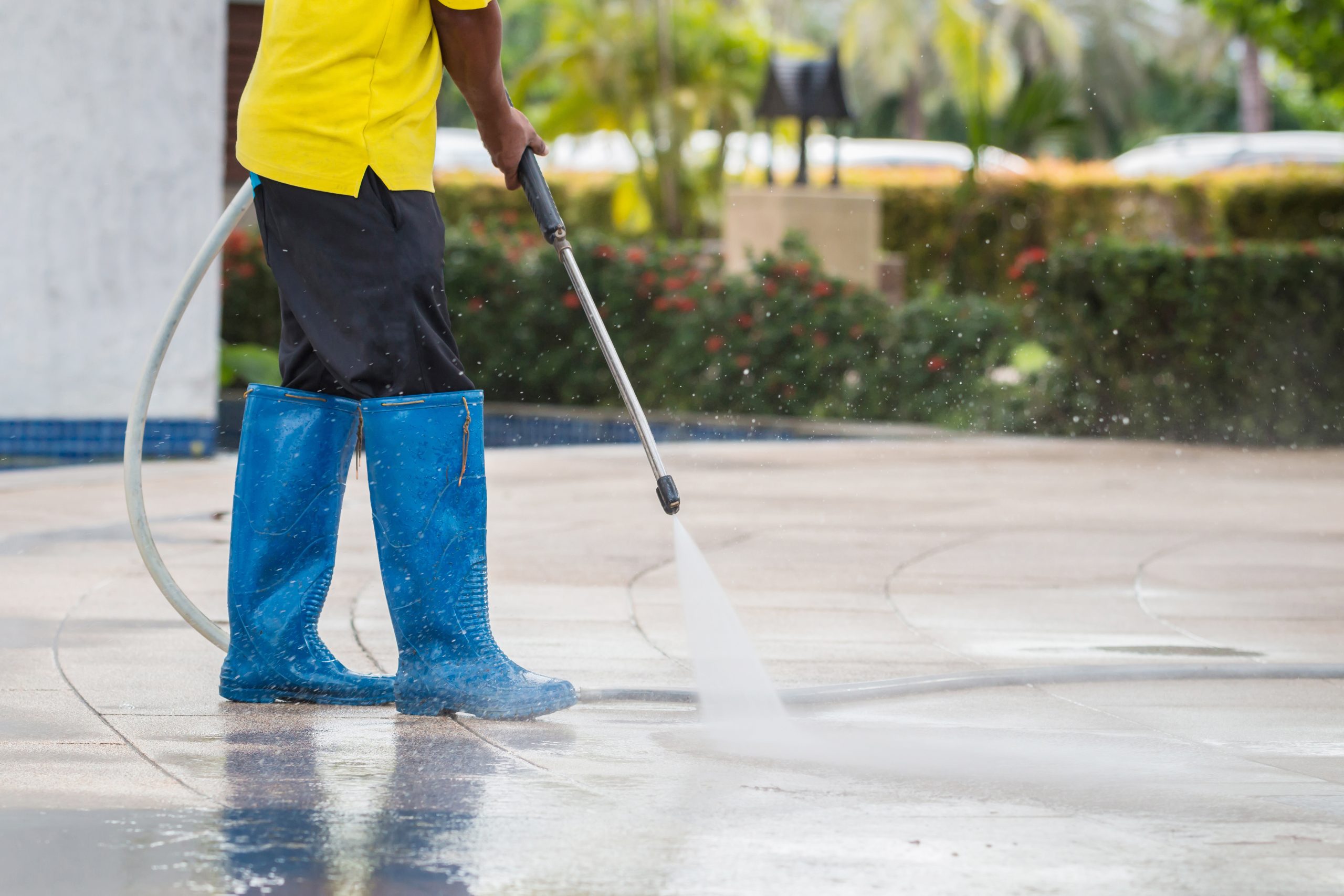
Natural stone should be evaluated for porosity, surface wear, cracks, joints, stains, coatings, and drainage before power washing begins. This inspection helps determine whether pressure washing is appropriate and how the equipment should be adjusted to clean the surface without causing unnecessary wear.
Natural stone is used throughout residential properties in Peoria, AZ, including patios, walkways, walls, pool surroundings, entryways, and decorative outdoor areas. Although stone may appear durable, different materials can respond very differently to water pressure.
Why Does the Type of Natural Stone Matter?
Natural stone is not a single material. Travertine, flagstone, slate, limestone, sandstone, and granite have different levels of hardness, texture, and porosity.
A dense stone may tolerate a different cleaning approach than a softer or more absorbent material. Sandstone, for example, may have a surface that can wear more easily than dense granite. Travertine may contain natural pits or filled areas that require additional care.
Before residential power washing begins, the stone type should be identified whenever possible. If the material is uncertain, the provider should use a cautious approach and test a small, less visible section first.
How Does Porosity Affect Pressure Washing?
Porosity describes how readily a material absorbs water. Highly porous stone can absorb water and cleaning solutions more quickly than a dense surface.
This matters because absorbed moisture can affect drying time, stain movement, and the way the stone responds to cleaning. Water may also travel through the stone and collect beneath the surface when drainage is limited.
A controlled power washing process considers both the visible surface and how the material handles moisture. Increasing pressure does not solve problems caused by absorption and may worsen existing wear.
What Surface Damage Should Be Identified First?
Natural stone should be checked for cracks, flaking, loose sections, crumbling edges, and uneven repairs before cleaning begins. Existing damage may become more noticeable after dirt and buildup are removed.
A strong stream directed at a weakened edge can loosen material. Water may also enter cracks and move beneath stones that are already unstable.
Previous repairs should also be documented. Patch materials, fillers, and replacement stones may react differently from the original surface. Identifying these areas allows the pressure washing method to be adjusted before work starts.
Why Do Joints Require Separate Attention?
Stone patios and walkways often contain mortar, sand, gravel, or other materials between individual pieces. These joints may be more vulnerable to concentrated water pressure than the stones themselves.
Loose or shallow joint material can be displaced when a nozzle is held too close or aimed directly into the gap. Damaged mortar may also break away under excessive force.
A careful residential power washing plan cleans across the surface while limiting direct impact on weakened joints. The provider should note missing material, cracked mortar, and loose borders before selecting a cleaning pattern.
How Should Existing Coatings Be Evaluated?
Some natural stone surfaces have sealers, color-enhancing treatments, or other coatings. These products may wear unevenly over time, especially in areas exposed to sunlight, pool water, irrigation, or frequent foot traffic.
Pressure washing may reveal differences between coated and uncoated sections. In some cases, an aging sealer can produce a patchy appearance after the surrounding dirt is removed.
Homeowners should share any information they have about previous sealing or surface treatments. The cleaning provider can then account for those materials when evaluating expected results.
Do All Natural Stone Stains Require the Same Method?
No. Dust, organic residue, oil, rust-colored marks, mineral deposits, paint, and irrigation staining can behave differently on natural stone.
A deeply absorbed stain may not respond to pressure alone. Using more force on one small section can create a lighter spot or alter the texture without fully removing the discoloration.
Some stains may require a suitable cleaning product, controlled dwell time, and thorough rinsing. The stone type and location of the stain should guide the method rather than relying only on stronger pressure.
Why Are Drainage and Surrounding Areas Important?
Water movement is an important part of pressure washing. Before cleaning starts, the provider should determine where runoff will travel and whether water may collect near walls, doors, landscaping, pool features, or low areas.
Natural stone installations are often irregular, which can create small depressions where dirty water settles. If loosened debris is not rinsed away properly, it may dry back onto the surface and create streaks or darker areas.
In Peoria, outdoor surfaces may also contain substantial dust. Careful rinsing helps move loosened material away instead of redistributing it across sections that have already been cleaned.
What Should a Test Area Reveal?
A test area helps show how the stone responds to the proposed cleaning method. It may reveal changes in color, texture, coating condition, stain visibility, or joint stability.
The test should be completed in a less noticeable location when possible. It should also be allowed to dry before the final appearance is evaluated, since wet stone often looks darker and more uniform than dry stone.
Testing does not guarantee that every stain will be removed, but it provides useful information before the entire surface is cleaned.
What Should Homeowners Ask Before Scheduling Service?
Homeowners should ask how the provider evaluates stone type, joint condition, stains, coatings, and existing damage. They should also discuss whether the surface has been sealed, repaired, or previously pressure washed.
People searching for the best residential power washer should focus less on maximum equipment pressure and more on whether the provider adjusts their process to the material. Appropriate residential power washing services should begin with surface evaluation rather than treating every patio, walkway, or wall as standard concrete.
Arrange an Evaluation Before Cleaning Natural Stone
Natural stone can often be cleaned successfully, but its condition must guide the process. Stone type, porosity, joints, coatings, stains, wear, and drainage all affect how pressure washing should be performed.
Before scheduling power washing in Peoria, inspect the surface and document any loose sections, cracks, repairs, or persistent stains. Share those details with the cleaning provider so they can plan a controlled method suited to the specific material.
Doris Gray
Doris Gray is a dynamic force traversing the realms of technology, finance, and beyond, infusing each industry with a distinctive blend of expertise and innovation. With a wealth of knowledge at their fingertips and a passion for exploring the cutting edge, Doris has become a respected figure in every field they touch. As a seasoned professional, Doris brings a unique voice to the table, challenging norms and redefining paradigms along the way. Their commitment to excellence and relentless pursuit of new ideas have propelled them to the forefront of multiple industries, where they continue to inspire and drive change. Whether delving into the intricacies of emerging technologies or navigating the complexities of financial markets, Doris Gray remains a beacon of insight and creativity. With a keen eye for opportunity and a dedication to pushing boundaries, they are reshaping the landscape of every industry they encounter. Follow Doris on their journey as they continue to break barriers and shape the future of business and innovation.