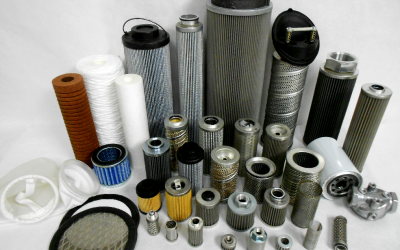
In today’s highly competitive manufacturing landscape, American producers are under constant pressure to deliver products that meet strict quality standards. As customer expectations rise and regulations become more rigorous, manufacturers are seeking effective ways to ensure their products are free from contaminants and inconsistencies. One technology that has become essential in this pursuit is the Industrial Sieve. This specialized piece of equipment plays a pivotal role in enhancing product quality control, helping American manufacturers maintain a reputation for reliability and excellence.
Enhancing Product Purity and Consistency
Product purity is paramount in industries such as food processing, pharmaceuticals, chemicals, and cosmetics. Even the slightest contamination can compromise safety, trigger recalls, or damage a brand’s reputation. An industrial sieve acts as a frontline defense by efficiently separating unwanted particles, foreign materials, or oversized debris from raw materials and finished products. This process ensures that only materials of the desired size and consistency move forward in production.
Key benefits include:
• Removal of contaminants: Sieves catch foreign objects, metal fragments, or dust that could otherwise end up in the final product.
• Uniform particle size: Consistent particle sizing is crucial for products like powders, granules, or food ingredients to ensure proper mixing, texture, and appearance.
• Reduced waste: By filtering out unsuitable materials early, manufacturers reduce the risk of batch rejections and minimize costly waste.
Streamlining Production and Reducing Downtime
Integrating an industrial sieve into the production line boosts operational efficiency. Automated sieving systems can process large volumes of material quickly, reducing manual labor and the likelihood of human error. This automation translates into faster throughput and more reliable quality control, even during high-capacity production runs.
Additionally, modern sieves are designed for easy cleaning and maintenance. Quick-change screens and hygienic construction minimize downtime during product changeovers or routine cleaning, which is especially important in industries with strict sanitation requirements. The result is a smoother workflow and fewer interruptions to production schedules.
Supporting Regulatory Compliance
American manufacturers must adhere to a range of regulatory standards, from the Food and Drug Administration (FDA) in food and pharmaceuticals to the Occupational Safety and Health Administration (OSHA) in general manufacturing. Industrial sieves help companies meet these requirements by:
• Ensuring product safety: By systematically removing contaminants, sieves help prevent safety incidents and costly recalls.
• Documenting quality control: Automated sieving systems often feature monitoring and data logging capabilities, providing traceable records for audits and inspections.
• Facilitating Good Manufacturing Practices (GMP): Consistent use of sieves supports GMP protocols, which are critical for maintaining certifications and market access.
Adapting to Diverse Manufacturing Needs
No two manufacturing processes are exactly alike, and industrial sieves are available in a variety of designs to suit different applications. Whether handling dry powders, wet slurries, or abrasive materials, manufacturers can select sieves with specific mesh sizes, construction materials, and configurations. This adaptability allows companies to fine-tune their quality control processes, ensuring optimal results for every product line.
In summary, incorporating an industrial sieve into manufacturing operations offers significant advantages for American producers. By improving product purity, ensuring uniformity, streamlining production, and supporting regulatory compliance, sieving technology has become a cornerstone of modern quality control. As manufacturers continue to strive for higher standards and greater efficiency, the role of advanced sieving solutions will only become more critical in safeguarding product integrity and consumer trust.