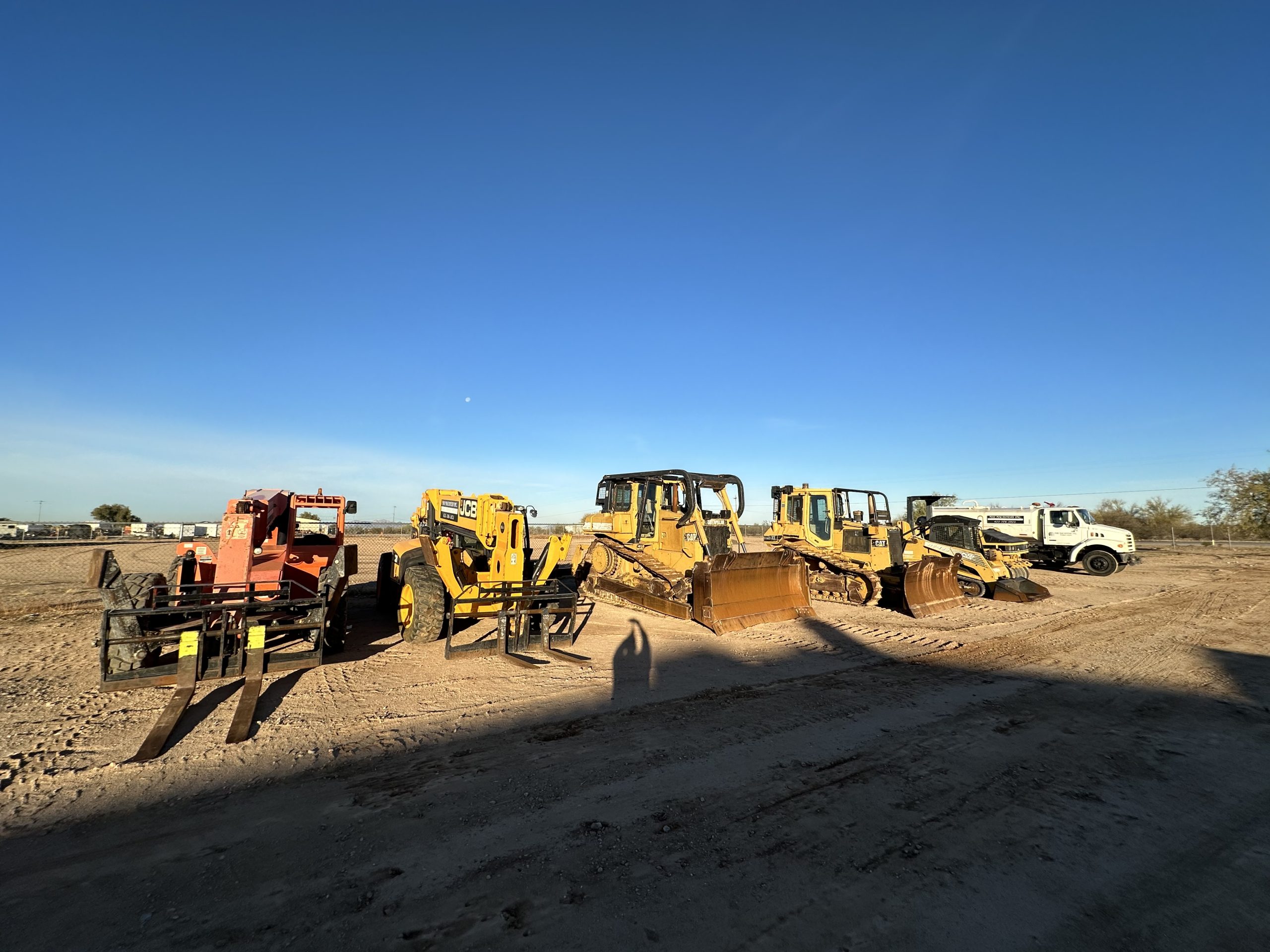
Relocating large machinery and industrial assets is a complex task that requires specialized expertise, advanced equipment, and strict adherence to safety standards. Whether it’s moving construction machinery, manufacturing equipment, or oversized components, the process involves much more than simple transportation. For businesses searching for Heavy Equipment Moving Services, finding a trusted provider is essential to ensure a smooth and secure transition across the country.
The Importance of Specialized Equipment and Skilled Teams
Transporting heavy equipment involves navigating logistical challenges that standard moving services are not equipped to handle. Specialized machinery such as cranes, forklifts, and hydraulic trailers are necessary for safely lifting and transporting oversized loads. These tools are designed to minimize the risk of damage during loading, transit, and unloading. Additionally, experienced crews play a critical role in managing every stage of the move. Their training covers load securing techniques, route planning, and compliance with regulatory requirements, ensuring that each piece of equipment arrives intact and on schedule.
Comprehensive Planning and Project Management
A successful heavy equipment relocation begins with meticulous planning. Moving companies conduct site assessments to evaluate access points, measure clearances, and identify potential obstacles. Detailed project management includes:
- Route surveys to determine the safest and most efficient paths
- Coordination with local authorities to secure necessary permits
- Scheduling moves to minimize operational disruptions
This thorough preparation helps prevent costly delays and ensures that all safety protocols are followed throughout the relocation process.
Adherence to Safety and Regulatory Standards
Safety is paramount when moving heavy equipment. Relocation services are required to comply with federal and state regulations governing the transportation of oversized and overweight loads. This includes adhering to Department of Transportation (DOT) guidelines, securing proper permits, and following best practices for load restraint. Regular equipment inspections, employee safety training, and the use of certified rigging materials further reduce the risk of accidents or equipment damage.
Ensuring Efficiency and Minimizing Downtime
Efficiency is another critical factor for businesses relying on heavy equipment. Professional moving services utilize advanced scheduling systems and real-time tracking to optimize logistics. By streamlining the loading, transport, and reassembly phases, these experts help companies minimize operational downtime. Many providers also offer value-added services such as equipment installation, calibration, and storage solutions, allowing businesses to resume normal operations as quickly as possible.
Nationwide Coverage and Custom Solutions
Relocating heavy equipment across the USA requires familiarity with diverse terrains, weather conditions, and local regulations. Service providers offer nationwide coverage, leveraging their extensive networks to coordinate moves between states or even across regions. Custom solutions are tailored to the unique requirements of each project, whether it involves a single machine or an entire facility relocation.
In summary, the safe and efficient relocation of heavy machinery across the United States depends on a combination of specialized equipment, skilled personnel, and comprehensive planning. By prioritizing safety, adhering to regulatory standards, and employing advanced logistics strategies, professional moving services enable businesses to transition their valuable assets with minimal risk and interruption. For organizations facing the challenge of relocating heavy equipment, partnering with an experienced service provider ensures peace of mind and a smooth, successful move.
Doris Gray
Doris Gray is a dynamic force traversing the realms of technology, finance, and beyond, infusing each industry with a distinctive blend of expertise and innovation. With a wealth of knowledge at their fingertips and a passion for exploring the cutting edge, Doris has become a respected figure in every field they touch. As a seasoned professional, Doris brings a unique voice to the table, challenging norms and redefining paradigms along the way. Their commitment to excellence and relentless pursuit of new ideas have propelled them to the forefront of multiple industries, where they continue to inspire and drive change. Whether delving into the intricacies of emerging technologies or navigating the complexities of financial markets, Doris Gray remains a beacon of insight and creativity. With a keen eye for opportunity and a dedication to pushing boundaries, they are reshaping the landscape of every industry they encounter. Follow Doris on their journey as they continue to break barriers and shape the future of business and innovation.